


Buy Bulk Ammo Now and Lock In Low Prices Before They Climb
Why settle for individual boxes when bulk ammo delivers the same cartridges in larger, more economical quantities? By packaging rounds in bulk containers—such as 500- or 1,000-round cases—it reduces per-round cost while simplifying storage and inventory management. Each cartridge functions identically to a boxed counterpart, so you simply load magazines or stripper clips as usual, with no difference in feeding, firing, or performance. This approach suits high-volume target practice, training sessions, or long-range zeroing, where consistent supply and lower unit price directly extend your shooting time.
Why Buying Ammunition by the Case Saves You More Than Money
Buying bulk ammo by the case saves you more than money because it fundamentally changes how you train. Instead of rationing rounds at the range, you can shoot freely, run repetitive drills, and build muscle memory that actually sticks. That consistency—not the lower cost per round—is the real payoff. A case on hand also eliminates the anxiety of a dwindling stash; you stop counting bullets mid-session and start focusing on your grip, your trigger press, and your follow-through.
When you buy a case, every practice session becomes a deliberate investment in skill, not a scarce resource to be hoarded.
Furthermore, you eliminate last-minute panic buys, meaning you never settle for unfamiliar loads or pay retail for emergency boxes. Your training becomes predictable and your performance, reliable—all because you had the foresight to stock deep.
How Cost Per Round Drops When You Purchase in Volume

When you buy a single box, you pay for individual packaging, shelf stocking, and small-lot shipping. Purchase in volume and those per-unit costs collapse before you even pull the trigger. A case of 500 or 1,000 rounds spreads the fixed manufacturer cost across far more cartridges, so the maker passes a lower price per bullet. Shipping also favors weight: one big crate costs less per round than five separate small deliveries, and you pay fuel surcharges only once. Retailers discount cases because they move inventory faster and reduce their own handling labor. The result is a measurable drop in cost per round that compounds with every case you buy, often 10–20% below box pricing, leaving you with more 7mm-08 Ammo for Sale range time for the same budget.
Buying by the case slashes per-round price by eliminating redundant packaging, shipping, and handling—volume discounts turn a savings per box into a meaningful cut per bullet.
The Hidden Savings on Shipping and Handling Fees
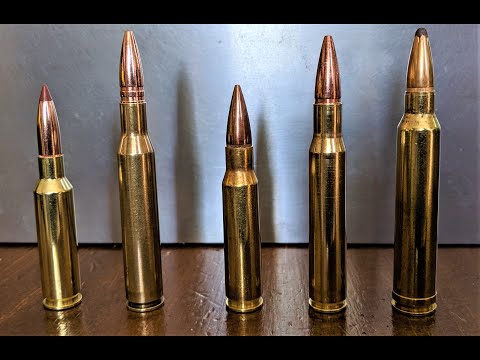
Shipping and handling fees often dwarf the per-box price difference, but buying by the case turns this fixed cost into a fraction of its original impact. A single flat-rate shipment for 500 rounds costs the same as shipping one box, yet spreads that fee across ten times the product. You also eliminate repeated “handling” charges, since the warehouse processes one bulk order 6.5 PRC Ammo for Sale instead of multiple small ones, saving you the per-transaction surcharge that quietly inflates every individual purchase. This is the hidden shipping cost advantage of case lots: you pay once, not repeatedly, for the same logistical work. Even expedited delivery becomes affordable when amortized over a full case, making urgent restocks cheaper than standard shipping on boxes.
Locking in a Price Today vs. Paying More Next Month
When you buy bulk ammo today, you fix your cost per round at the current shelf price, shielding your training budget from next month’s inevitable adjustments. Locking in bulk ammo pricing today means you pay for components and manufacturing labor at yesterday’s rate, not tomorrow’s. If you wait thirty days, the same case can cost 5–10% more simply because suppliers repriced their inventory. That difference often equals a free box of defensive loads or a full range session, depending on case size. Your per-round expenditure becomes predictable, letting you plan practice volume without guessing future price hikes. Paying more later buys the identical product, so delaying offers zero advantage—only a smaller stash for the same dollar.
Purchase cases now to freeze per-round Handgun Ammo for Sale costs; every month you delay, you pay more for the same ammunition.
What to Look For in a High-Volume Ammunition Order
When placing a high-volume ammunition order, prioritize **lot number consistency**—mixed batches can shift point of impact, wrecking your zero across thousands of rounds. Verify the projectile weight and casing material match your firearm’s twist rate and chamber spec, especially for precision work. Check the primer sealant: bulk ammo exposed to humidity or rough handling needs waterproofing to avoid duds. Confirm the packaging—loose-packed rounds in cardboard boxes risk dented necks, while tray-lined cases protect bullet tips. Ask how long the lot sat in storage; old powder degrades velocity. Finally, request a sample box to test function before committing to cases. *Q: What ruins a bulk order fastest? A: Inconsistent headstamps from mixed sources, causing ejection failures.* Inspect crimp tension on every tenth round to prevent setback during magazine feeding.

Matching the Bullet Grain Weight to Your Firearm’s Twist Rate
When ordering bulk ammunition, matching bullet grain weight to twist rate prevents wasted stock and accuracy issues. Your barrel’s twist rate (e.g., 1:7, 1:9, 1:12) dictates the optimal bullet length and mass; heavier grains stabilize better in faster twists, while lighter grains suit slower twists. Before committing to a case, check your firearm’s manufacturer specs. Then, select a grain weight that aligns:
- Verify the twist rate (inches per turn) stamped on your barrel or manual.
- Choose a bullet length that stabilizes within that twist, using stability calculators for borderline cases.
- Test a small sample (50 rounds) of the candidate grain weight for keyholing or erratic accuracy before buying in bulk.
Locking in a grain weight that matches your twist ensures consistent fragmentation and terminal performance, Rifle Ammo for Sale avoiding the cost of thousands of rounds that fail to group.
Brass, Steel, or Aluminum Casings – Which Is Right for Your Needs
For bulk ammo, your casing choice directly impacts cost, firearm longevity, and reloading value. Brass casings remain the superior all-around option for high-volume orders because they expand to seal the chamber, extract reliably, and are fully reloadable, offsetting their higher upfront price. Steel casings, with a polymer or lacquer coating, are the budget-friendly pick for range days, but their harder, non-reloadable composition accelerates extractor and chamber wear over thousands of rounds. Aluminum casings sit between the two: lighter and corrosion-resistant, yet they lack the ductility for consistent re-use and can stick in hot chambers. If you plan to shoot aggressively and discard brass, steel wins on cost; if you value performance and future savings, bulk brass is the pragmatic investment.
Understanding Bullet Types: Full Metal Jacket, Hollow Point, and Flat Nose
When ordering bulk ammo, matching bullet type to purpose is critical. Full metal jacket (FMJ) rounds feature a copper or brass envelope over a lead core, ensuring reliable feeding in high-capacity magazines and making them the cost-effective default for range training. Hollow points expand upon impact, delivering superior stopping power for defensive loads; however, their open tip requires careful selection for semi-automatics to avoid feed ramp snags. Flat nose bullets, common in lever-action or tube-fed rifles, prevent chain detonation by transferring recoil safely through the cartridge rim. For bulk orders, verify that your firearm’s magazine and chamber tolerate the bullet’s profile, as extreme accuracy demands perfect seating. Prioritize FMJ for volume practice, reserve hollow points for carry, and use flat noses strictly for tubular magazines.
How to Store a Large Supply of Rounds Without Ruining Them
Storing bulk ammo properly hinges on controlling environmental moisture and temperature swings. For long-term preservation, seal your rounds in airtight ammo cans with desiccant packs, ensuring the rubber gaskets are clean and functional. Before sealing, catalyzed silica gel beads are superior to clay desiccants because they absorb moisture without releasing it back when warm. Keep the cans off concrete floors using a wooden pallet or steel shelving to prevent condensation wicking. Ideal conditions are a stable 60–70°F with under 40% relative humidity; avoid attics and garages. Rotate your stock annually, shooting the oldest bulk ammo first, and inspect for tarnished brass or green patina on primers. Never store rounds loose in bulk—their protective coatings wear off, inviting corrosion and powder degradation.
Controlling Humidity to Prevent Corrosion and Misfires
Controlling humidity is the primary defense against corrosion and moisture-induced misfires in bulk ammo. Store primers and powder in an environment below 30% relative humidity, as elevated moisture causes brass oxidation and degrades propellant stability. Use desiccant packs or an electric dehumidifier inside sealed ammo cans, and monitor conditions with a hygrometer. Avoid silica gel that has reached saturation; recharge or replace it regularly. For long-term storage, consider vacuum-sealing with desiccants, but never use heat sources, which accelerate chemical breakdown. Consistent low-humidity storage prevents surface rust on casings and ensures reliable ignition, preserving ballistic performance for decades.
Choosing the Right Ammo Cans and Organizing by Caliber
For bulk ammo, prioritize **military-surplus .50-caliber cans** over commercial boxes; their rubber gaskets and latch systems create a true seal against humidity. Match can size to your heaviest caliber—a single can should hold roughly 20 pounds of loaded rounds to stay manageable. Organize by caliber using permanent labels on the lid and side, then stack cans vertically, never mixing calibers in one container to prevent confusion and weight imbalance. Use desiccant packs inside each can and rotate your stock by placing newer rounds behind older ones. **Caliber-specific labeling on airtight cans prevents dangerous mix-ups and speeds inventory checks, making retrieval effortless during range trips.
Q: Should I use plastic or metal cans for organizing bulk ammo by caliber?
A: Metal .50-cal cans are superior for long-term storage due to crush specialty sports resistance and airtight seals; plastic cans work but degrade faster under heavy stacking, so reserve them for short-term, low-volume calibers.
Rotation Tricks to Keep Your Oldest Cartridges Firing First
When you buy bulk ammo, the enemy isn’t time—it’s neglect. Rotation tricks to keep your oldest cartridges firing first hinge on a simple but ruthless rule: new ammo goes to the back, old ammo comes to the front. Stack your cans or boxes so the earliest purchase date sits on top or at the edge, and physically pull the oldest batch to the range every single trip. Mark each case with a sharpie date and caliber, then re-stack after use—never mix batches. If you store in ammo cans, write the date on the lid and flip the lid upside down when the can is emptied; that visual cue prevents you from accidentally cracking a newer can while old stock waits. Make rotation a habit, not an afterthought, and your bulk supply will stay chronologically ordered, ensuring the cartridges you bought first are the ones that get fired first, every time.
Your First Large Purchase: Calculating Exactly How Many Rounds You Need

Before you drop serious cash on bulk ammo, figure out your *actual* monthly range time, not your dream schedule. If you shoot 200 rounds per trip and go twice a month, that’s 400—but add 20% for zeroing, drills, and malfunctions, so plan for 500. Multiply that by 6 or 12 months to set a bulk order that covers you without sitting in a closet 6.5 Creedmoor Ammo for Sale for years. Buy for your realistic cadence, not the sale price—a massive case of .223 is useless if you only burn 50 rounds a month. Also, count defensive ammo separately from practice rounds; don’t lump your carry hollow points into the same bulk count. Store at least two months of that calculated number as a buffer for shipping delays or surprise range invitations. The nuanced part: rounds degrade slowly, but your training habits degrade much faster if you hoard too much. Keep the math honest, and you’ll never overpay for unused primers.
Estimating Your Average Monthly Range Usage Accurately
To estimate your average monthly range usage accurately, log every session for at least 60–90 days, separating dry-fire from live-fire rounds. Count magazines fired per trip, then divide total rounds by the number of range visits in that period. Adjust for variability—if you shoot 200 rounds one week and 50 the next, your true monthly baseline is the median, not the arithmetic mean, to avoid overstocking. Factor in seasonal spikes like winter indoor practice or summer competitions by adding Rimfire Ammo for Sale a 15% buffer to your median, then multiply by 12 for annual bulk purchase needs. Recalculate quarterly, since skill progression or ammo price shifts often alter your cadence.
Accurate monthly estimation requires a 60–90 day log, median-based calculation, and a 15% buffer—not a gut guess.
Balancing the Weight of a Bulk Order Against Practical Carrying Limits

Before committing to a bulk ammo purchase, calculate the total weight against your realistic transport capability. A single case of 1,000 rounds of 9mm can weigh roughly 25–30 pounds, while 5.56mm approaches 30–35 pounds, and .308 Winchester can exceed 40 pounds per 1,000 rounds. If you plan to carry ammunition from a vehicle to a shooting bench, range bag, or storage area, your practical carrying limit—often 50 pounds for a strong adult over short distances—will dictate how many boxes you can move in one trip. Splitting a large order into multiple smaller, manageable loads prevents physical strain and reduces the risk of dropping or damaging primers and casings. Always verify the per-case weight before checkout, and compare it to the weight capacity of your backpack, cart, or vehicle hatch to avoid an unwieldy bulk purchase.
Testing a Small Sample Lot Before Committing to a Massive Acquisition

Before purchasing thousands of rounds, buy one box from the exact lot number you intend to acquire. Fire a representative sample across your actual firearms, noting failures per magazine and primer strike consistency. This is your lot-specific reliability verification, as manufacturers alter components between batches. Measure velocity with a chronograph to ensure it matches your ballistic calculations, since pressure variations affect trajectory at distance. Inspect case rims for extraction damage and check overall length for chamber fit. Compare accuracy groups against your baseline ammunition at 50 and 7mm WSM Ammo for Sale 100 yards. Q: How many rounds constitute a valid test sample? A: A minimum of 50 rounds per firearm—enough to reveal systemic extraction issues, primer sensitivity, and feeding anomalies that a 10-round box would miss.
Common Pitfalls When Ordering Cartridges in Bulk and How to Avoid Them
When buying bulk ammo, the most damaging pitfall is ignoring lot numbers from mixed sources. Inconsistent headstamps can cause pressure spikes and accuracy loss, so always request a single manufacturing lot. Another frequent mistake is gravitating toward the cheapest cartridge without verifying bullet weight or profile matches your firearm’s twist rate. Before confirming, check the packaging for signs of poor storage, such as corroded brass or loose primers. To avoid these errors, calculate your true cost per round including shipping, then order a small test box first. Finally, never assume your case dimensions are universal; confirm cartridge OAL fits your magazine. By auditing these specifics, you sidestep wasted cash and range-day failures.
Spotting Poor-Quality Reloads Disguised as Factory-New Ammo
When ordering bulk ammo, spotting poor-quality reloads disguised as factory-new rounds begins with inspecting case primers: factory crimps are uniform, while reloads often show a pierced or flattened primer from excessive pressure. Check for mixed headstamps in a single box—a classic reloader’s giveaway—and look for shiny, re-polished cases that lack the manufacturer’s original lacquer seal. Measure cartridge overall length; reloads frequently vary by several thousandths, causing feeding issues. Also, weigh a sample: inconsistent bullet weights indicate hand-pulled components. Finally, test a few rounds for erratic recoil or sooty necks, which signal low-pressure loads. If the price is drastically below market, assume reloads until proven otherwise. Poor-quality reloads disguised as factory-new ammo rarely survive a magnet test—check for steel case material under the paint.
Q: What is the fastest way to spot a poor-quality reload in bulk ammo?
A: Compare the primer seating depth across 10 rounds; factory-new ammo has near-identical depths, while reloads often sit flush or slightly below the case head due to inconsistent hand priming.
Double-Checking Lot Numbers for Consistency in Velocity and Accuracy
When ordering bulk ammo, mixed lot numbers are a silent accuracy killer. Each lot represents a specific powder charge and bullet seating depth, so subtle velocity variations between lots can shift your point of impact dramatically at distance. Always request a single lot number from your supplier for the entire order. If you must combine cartridges, verify the lot numbers physically printed on the boxes or case labels, not just the invoice. Use a chronograph to compare average velocities across different lots; a spread exceeding 20–30 fps warrants separating them for practice versus precision work.
| Check | Action for Velocity/Accuracy Consistency |
|---|---|
| Box labels | Confirm identical lot code on every box before opening |
| Case stamp | Compare headstamp and lot imprint on base of cartridge |
| Chrono test | Shoot 5-round samples from each lot; average velocity must match within ±15 fps |
| Mixed order | Request same lot or sort by lot for zeroing and match use |
What to Do If Your Case Arrives Damaged or the Seal Is Broken
If your bulk ammo case arrives damaged or the factory seal is broken, document the condition immediately before touching the contents. Photograph the outer box, the inner case, and the broken seal from multiple angles, then contact the retailer’s customer service within 24 hours. Do not fire any cartridges from a compromised case; moisture Shotgun Ammo for Sale or contaminants may have entered. Follow this sequence:
- Note the tracking number and delivery time for your claim.
- Email photos and a description of the seal damage to the seller.
- Await their return authorization—do not ship the case back without it.
Most reputable dealers will replace or refund the entire shipment, not just the Ammunition for Sale visibly affected rounds. Keep the original packaging until the claim is resolved, as the seller may require it for inspection.
